Online · from home
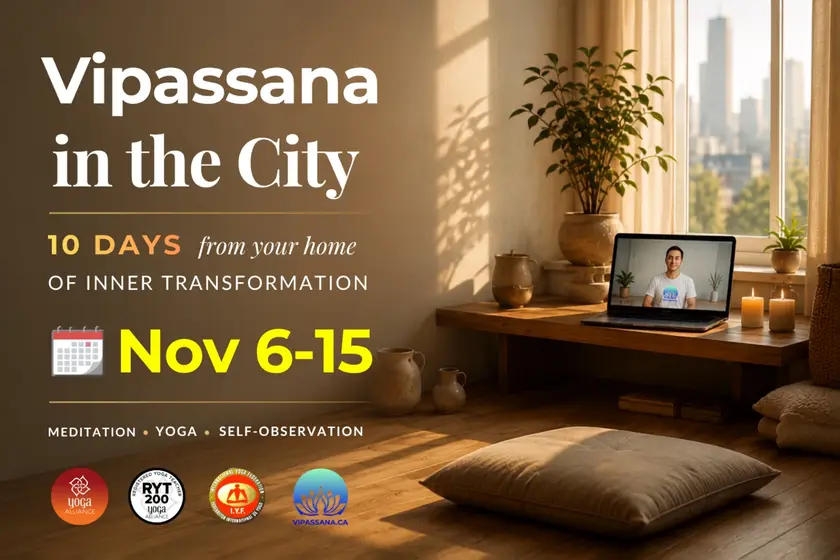
Online Vipassana 10-Day Retreat
Nov 6–15, 2026
● Registration open
$100 / personReserve Spot
Find Stillness.
Transform Your Life.
Silent retreat designed for modern life.
No experience needed. Open to all.
Upcoming Dates
Silent retreats, one-day retreats and online courses. Beginners welcome.
Online · from home
Nov 6–15, 2026
● Registration open
Mount St. Francis Retreat Centre
Nov 12–15, 2026
● Waiting list
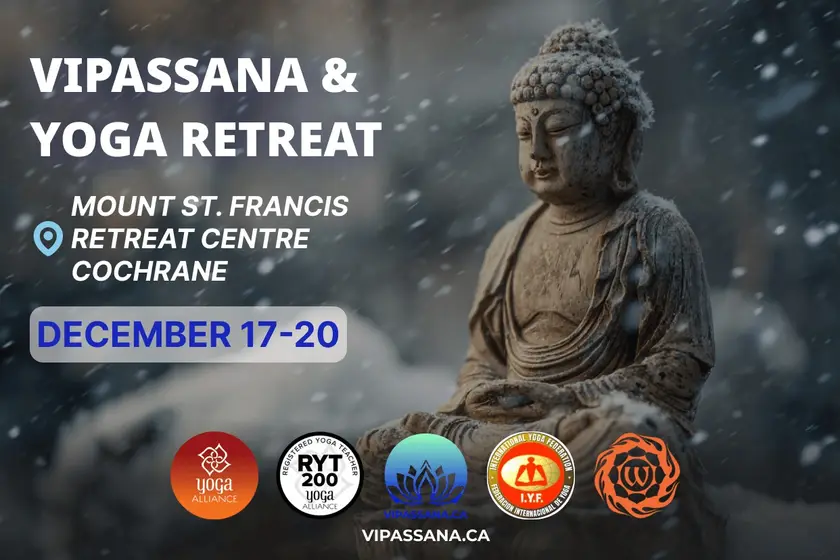
Mount St. Francis Retreat Centre
Dec 17–20, 2026
● Registration open
Real voices
Most participants arrive with the same doubts you have right now. Here’s what they said after.
Renewed and inspired
“I am deeply grateful and humbled by my experience at the retreat. It was thoughtfully organized and beautifully facilitated by all three facilitators, who created a welcoming, supportive, and nurturing environment throughout. I wholeheartedly recommend this retreat to anyone considering it. It was a truly meaningful experience that offered connection, growth, and a deeper sense of presence. I left feeling renewed, inspired, and deeply thankful for the opportunity to be part of it.”
Coming back to myself
“An amazing experience of coming back to myself and self practice. This retreat has generated an abundance of energy within. I’m feeling inspired to continue the practice outside of this container.”
More than I imagined
“Was nervous and excited for this silent retreat. It was more than I imagined. Some parts easy and some parts difficult. Do not hesitate to try it firsthand. Food was delicious. Teacher exceptional and the students were kind and open. I plan to do another.”
10+
Years of practice
60+
Retreats held
520+
Participants
33
Google reviews
Ancient practice.
Modern results.
The word “Vipassana” means “insight” or “clear vision”. This practice has its roots in the teachings of the Buddha, who rediscovered and spread it over 2500 years ago as a universal remedy for human suffering. Free of dogma and rituals, Vipassana focuses on the art of living, offering a practical approach to achieving harmony within oneself and with others.
Our retreats follow the Mahasi Sayadaw lineage, making the practice accessible to beginners while meaningful for experienced meditators.
Not the same as Goenka’s Vipassana. Our format is a 3-day Vipassana retreat in Alberta, not 10 days, and follows a different but equally authentic tradition. Many participants have done both. Goenka 10-day course vs. 3-day retreat: how they compareLearn about Vipassana tradition →
Why Vipassana
Real outcomes, reported consistently by participants across all backgrounds and experience levels.
Three days without screens, notifications, and conversation reset the default state of your nervous system. Most participants report sharper focus and quieter mental chatter for weeks afterward. Not as a spiritual claim — as a functional result.
Harvard Medical School: mindfulness measurably reduces cortisol and improves prefrontal cortex activity
You learn to notice the moment between a trigger and your response. That gap — small at first — becomes something you can choose to widen. This is not relaxation. It is a skill.
American Psychological Association: 8-week mindfulness program reduces anxiety symptoms by up to 40%
Reduced rumination and a regulated nervous system directly improve sleep quality. Participants commonly report this as the most immediately noticeable change.
Journal of Sleep Research: meditation reduces sleep onset time by 30–40%
Vipassana trains you to observe emotional sensations as they arise in the body, before they escalate. Anger, anxiety, and craving lose their grip when you can name and watch them.
Psychological Science: mindfulness training measurably reduces emotional reactivity and improves regulation
Most people leave with at least one clear insight about a pattern they have been running for years. Not from therapy or reflection — from direct observation. You see it happening in real time and it stops having the same pull.
This is what makes Vipassana different from talking about yourself. You are not analyzing the pattern — you are watching it arise and pass in your body, in the present moment.
Frontiers in Human Neuroscience: meditation increases gray matter density in the insula and prefrontal cortex
Over 500 participants across Canada have attended our retreats. Many return. After the silence ends on Sunday, the conversations that follow are some of the most genuine people report having in years. There is something about shared practice that builds real connection quickly.
University of California: shared contemplative practice significantly increases social trust and connection
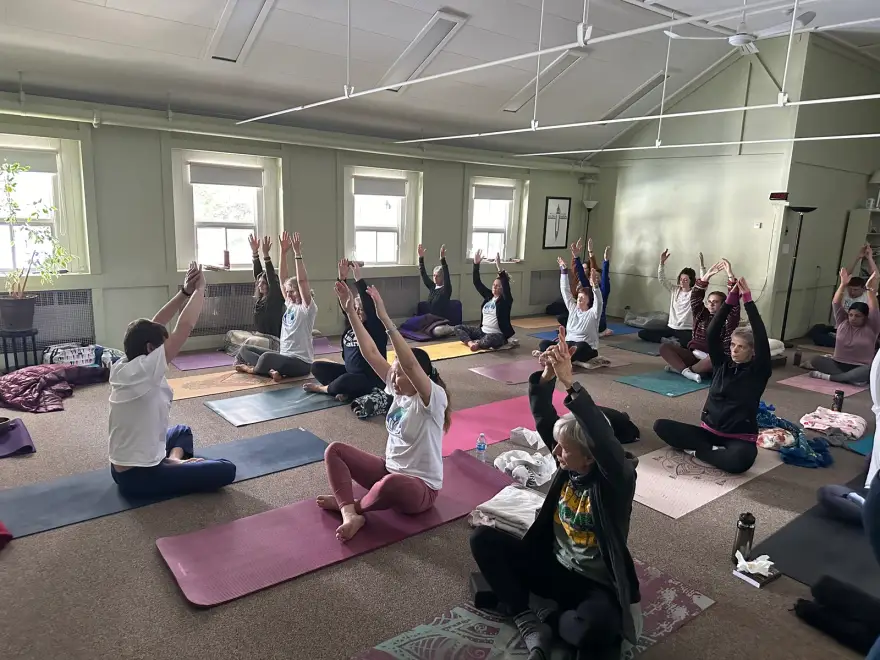
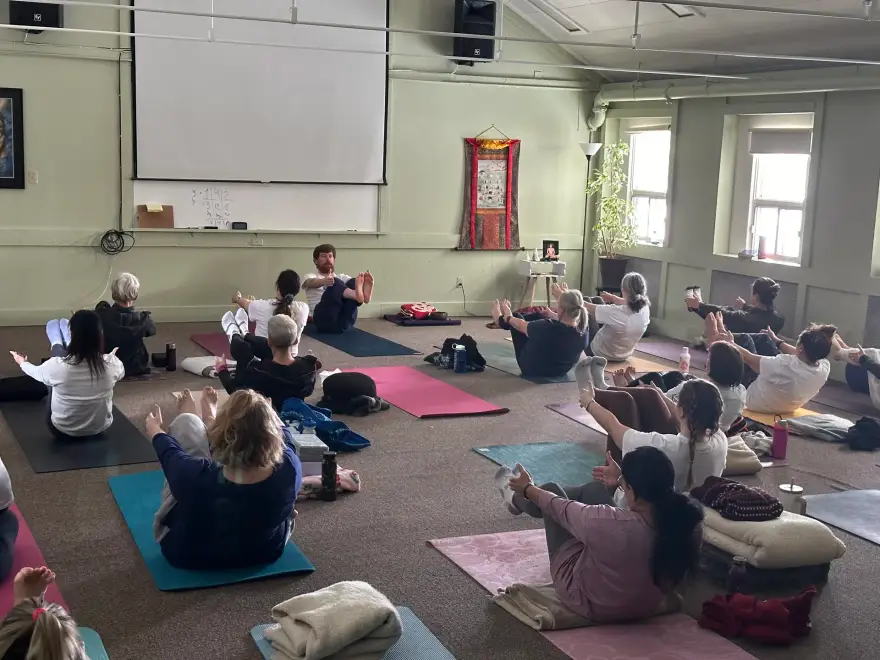
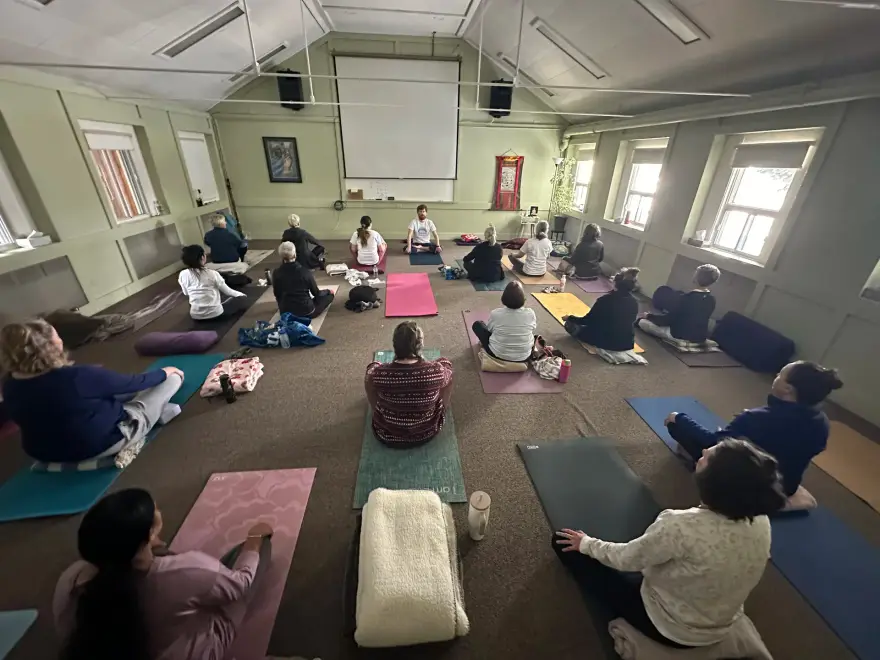
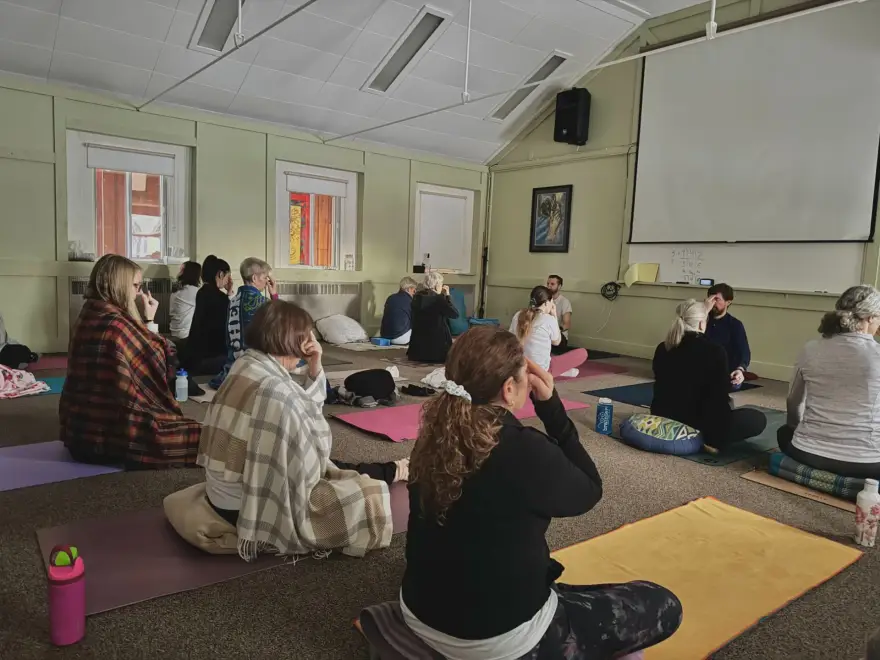
A quiet kind of beautiful
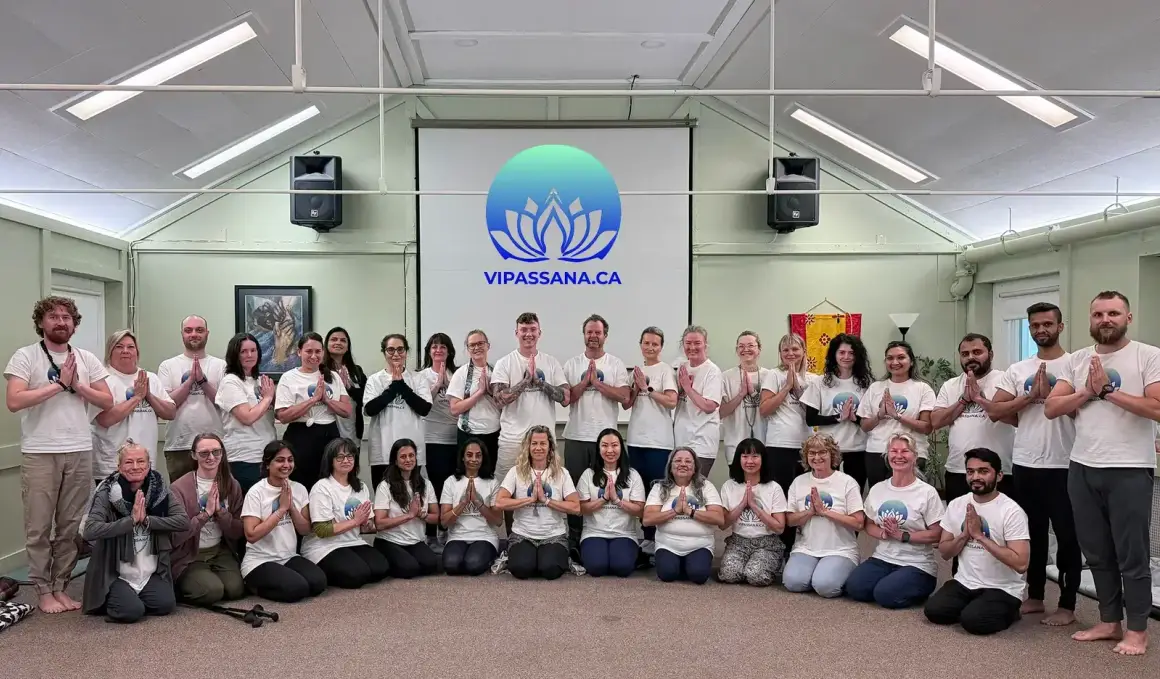
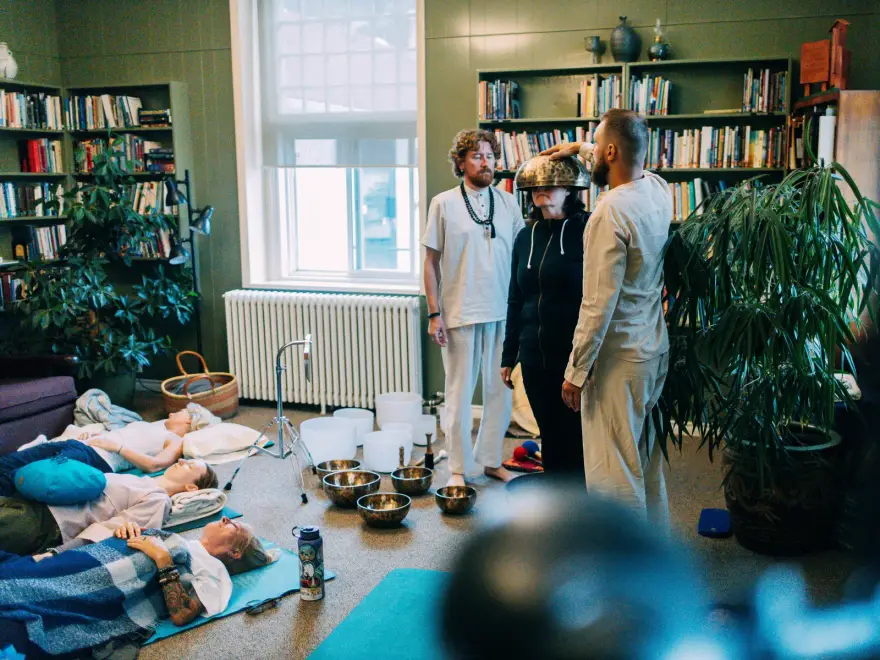
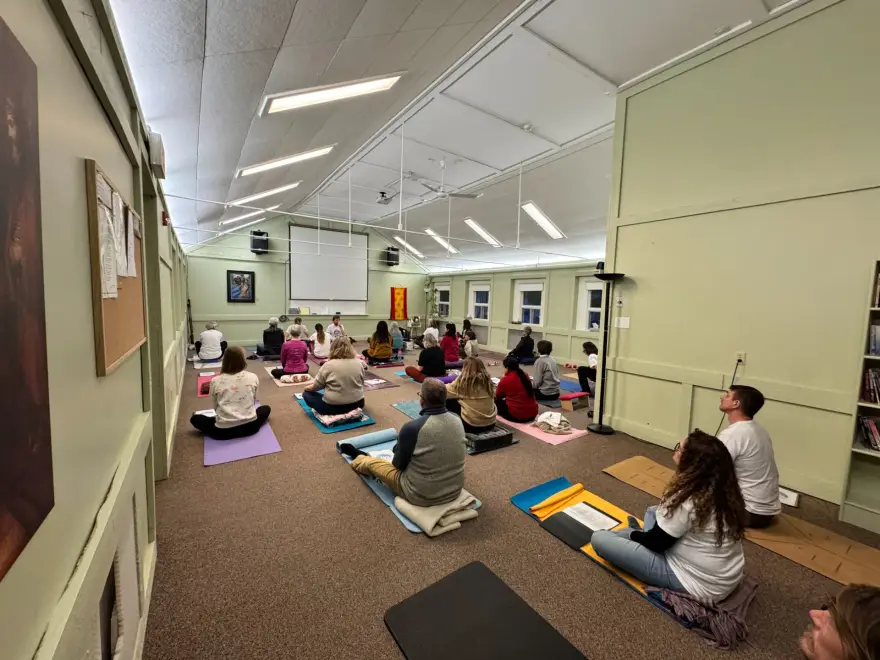
What a retreat actually looks like — from arrival to the final morning.
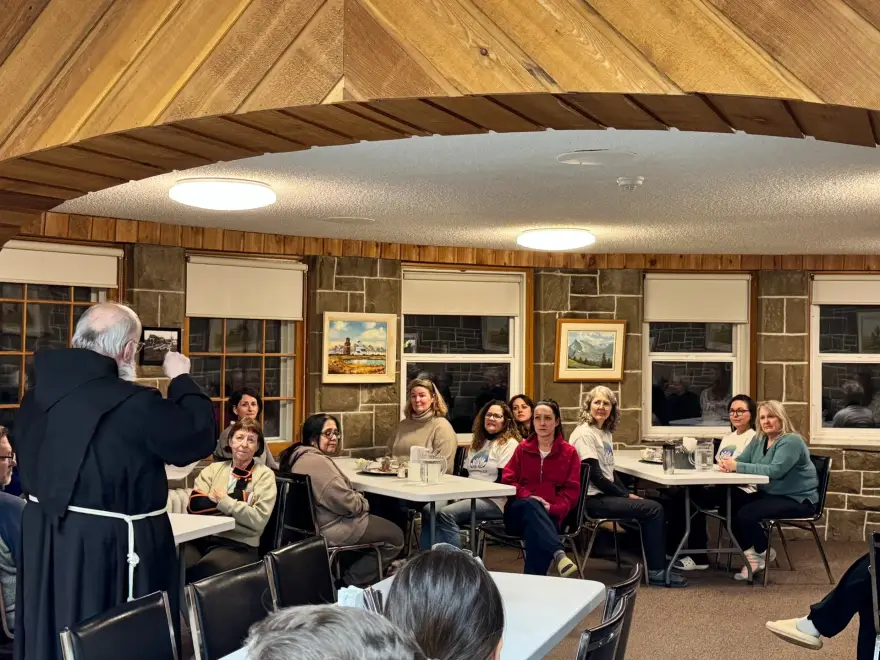
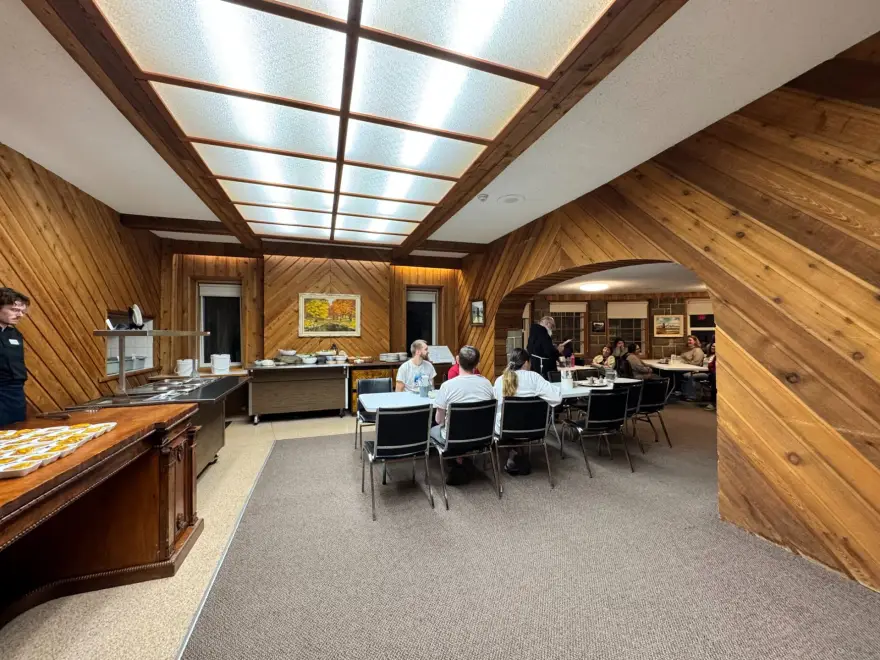
Silence is not empty.
It is full of answers.
Your Practice
Most people who attend their first retreat arrive with some skepticism and many questions. That is completely normal. The practice does not ask you to believe anything in advance. It asks only that you sit, observe, and see for yourself.
Over three days in the forests of Alberta, you will slow down far enough to notice what is actually happening in your mind and body. The insight that emerges from that noticing is the practice. No dogma, no rituals, nothing to memorize.
We have guided participants from Calgary, Edmonton, Red Deer, and beyond, ranging from complete beginners to long-term practitioners. The only prerequisite is showing up.
Who guides you
Certified practitioners who have walked the path and continue to.
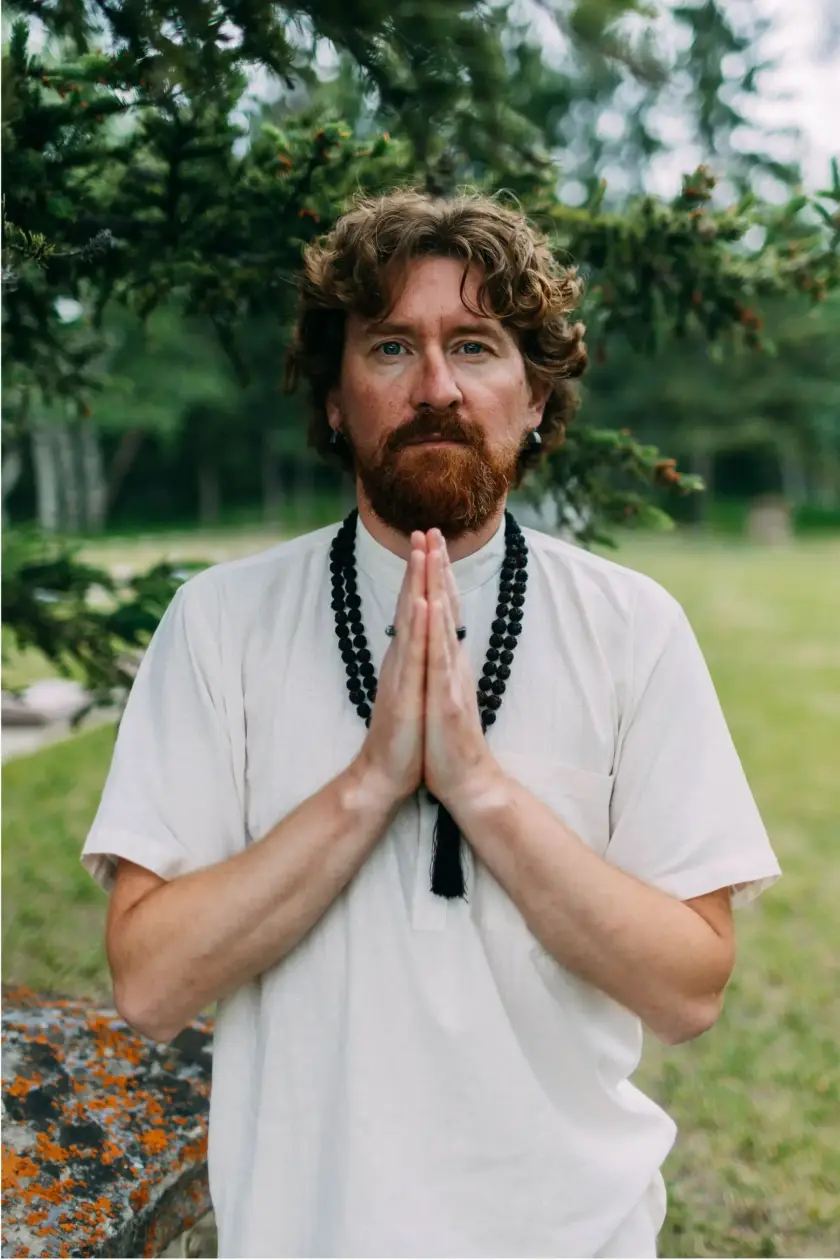
Founder of Vipassana.ca, certified yoga instructor, and Vipassana meditation teacher. After a career in the special forces and executive leadership, Artem dedicated his life to contemplative practice and inner transformation. He leads silent retreats, yoga classes, and mindfulness programs designed to help people cultivate clarity, resilience, and lasting inner peace.
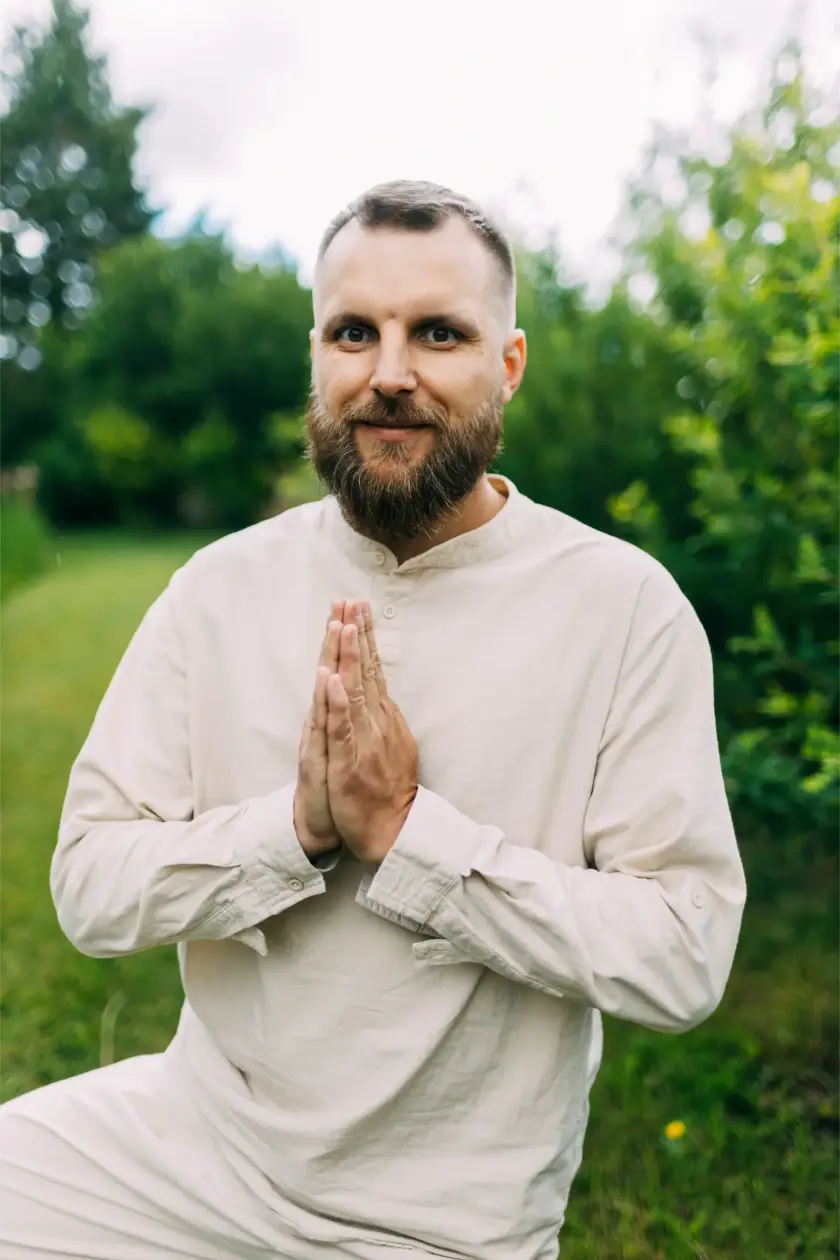
Certified yoga instructor, meditation practitioner, and retreat facilitator. Drawing from his experience in yoga, breathwork, and Vipassana meditation, Valerii supports participants throughout their retreat journey and guides practices that cultivate self-awareness and emotional balance. He contributes to the Vipassana.ca community through retreat coordination, educational initiatives, and meditation-based programs.
Common questions
Common questions about Vipassana
Yes, our retreat is designed for complete beginners. No prior meditation experience is required, and the techniques are taught step by step from the very first session. Most participants come having never meditated before, and the structure of the retreat itself does most of the work. All you need is the willingness to try.
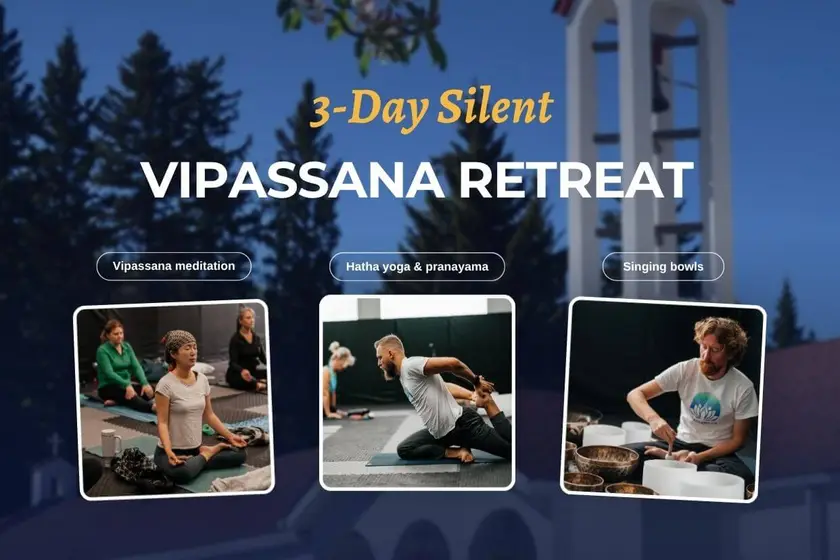
The schedule includes roughly 3–4 hours of practice per day, split into shorter sessions rather than one long stretch. Sittings are interspersed with yoga, sound healing, walking meditation, meals, and rest. This mix makes the day feel grounded rather than gruelling, and is much more accessible than traditional 10-day courses.
No. Vipassana is a secular meditation technique focused on observing the breath and bodily sensations. There’s nothing to believe in, chant, or convert to. People of all faiths (and no faith) attend. The practice works regardless of background because it’s based on direct experience, not doctrine.
Three things set this retreat apart: the length, the mix of practices, and the tradition we follow.
Most traditional Vipassana retreats run 10 days in complete silence, powerful, but a serious commitment most people can’t realistically make. This is 3 days, designed to fit a long weekend while still being long enough to genuinely shift how you feel.
The retreat combines three complementary practices: Vipassana meditation, yoga, and sound healing, chosen deliberately so you can experience different paths to stillness in one place. Vipassana trains awareness, yoga prepares the body to sit comfortably, and sound healing helps the nervous system settle. Most people connect deeply with one or two of these and take them home as a daily practice.
We follow the Mahasi Sayadaw tradition — one of the most widely practiced Vipassana lineages in the world, known for its clear, structured approach to noting moment-to-moment experience. It’s particularly well-suited to a 3-day format because the technique is precise and teachable from the first session, without requiring years of background.
It’s a doorway, not a test. If it resonates, longer retreats are always there later.
Most participants leave with a simple daily practice, typically 20-40 minutes of meditation, and a noticeably calmer baseline that lasts weeks. Many notice better sleep, less reactivity, and more clarity in the days that follow. You’re also welcome to return for future retreats, and many do - it’s one of the most common things participants tell us afterward.
Ready when you are
Reserve your spot in the upcoming retreat. The rest is taken care of.
View Retreat DatesWhere we meet
All venues are set in nature, away from the city — close enough to reach in a morning drive.
Yoga studio
10062 164 St NW, Edmonton, AB
Retreat centre
41160 Retreat Rd, Cochrane, AB
Lakeside retreats
Lakeview Ave, Gull Lake, AB
Our teachers are trained in the Burmese Mahasi Sayadaw lineage, one of the most systematized and globally practised Vipassana methods. The tradition emphasizes precise noting practice.
Our teachers have practised Vipassana since 2015. Since launching in Alberta, more than 500 participants have joined our seasonal retreats at Gull Lake and Mount St. Francis, and many keep coming back.
Unlike 10-day programs, our format fits a long weekend. Participants check in Thursday evening and depart Sunday after lunch. Designed for working adults who cannot commit to longer formats.